By Sheila Oparaocha
As we prepare for the review of Sustainable Development Goal 7 on universal access to sustainable and affordable energy at the High-Level Political Forum in 2026, attention to the close connection between energy access and gender equality is increasing. Although access to electricity has improved, progress toward clean cooking is still lagging behind. This gap affects women and girls most, as they are typically the ones who bear the health, time, and economic burdens of traditional fuel use. Recognizing clean cooking as both an energy issue and a gender equality issue is essential to advancing a more inclusive and equitable energy transition in line with the 2030 Agenda.
At the High-Level Dialogue on Clean Cooking co-convened by the International Energy Agency (IEA), Kenya, Norway, and the United States, one message was unmistakable: clean cooking has moved to the center of the global energy agenda. Universal access to clean cooking in Africa is now framed around a 2040 milestone. A Clean Cooking Summit will take place in Nairobi in July 2026. The IEA will assume the Secretariat role of the Clean Cooking Alliance (CCA), signaling a new phase of coordination and leadership. Major financial signals have also emerged, including a US Clean Cooking Accelerator and expanded investment under Mission 300. The scale of the challenge is clear: Africa alone requires approximately USD 2 billion annually to achieve universal access.
This momentum matters. But pledges must now translate into delivery
Clean cooking is not a peripheral social issue. It is energy security, economic policy, climate credibility, and human dignity. Governments are beginning to show what this looks like in practice, from regulatory reforms and fiscal incentives to delivery-unit models that accelerate implementation. Industry actors insist the barrier is no longer technology or supply; it is policy, regulation, and finance architecture. Public finance must be catalytic. Carbon markets under Article 6 may help unlock scale, but only if designed to support access and integrity.
Women in the driver’s seat
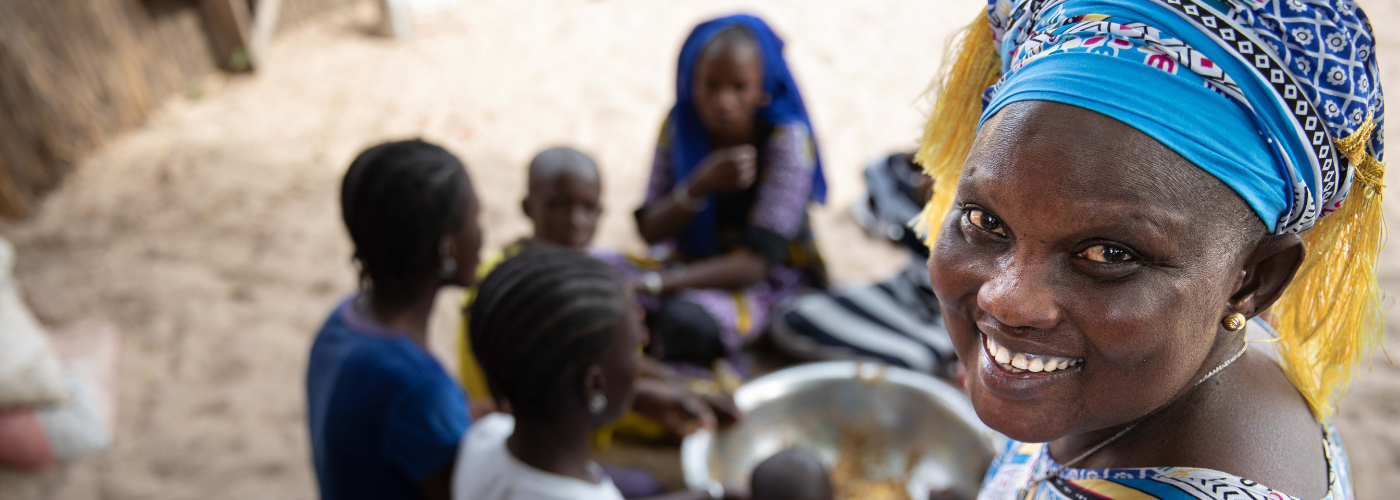
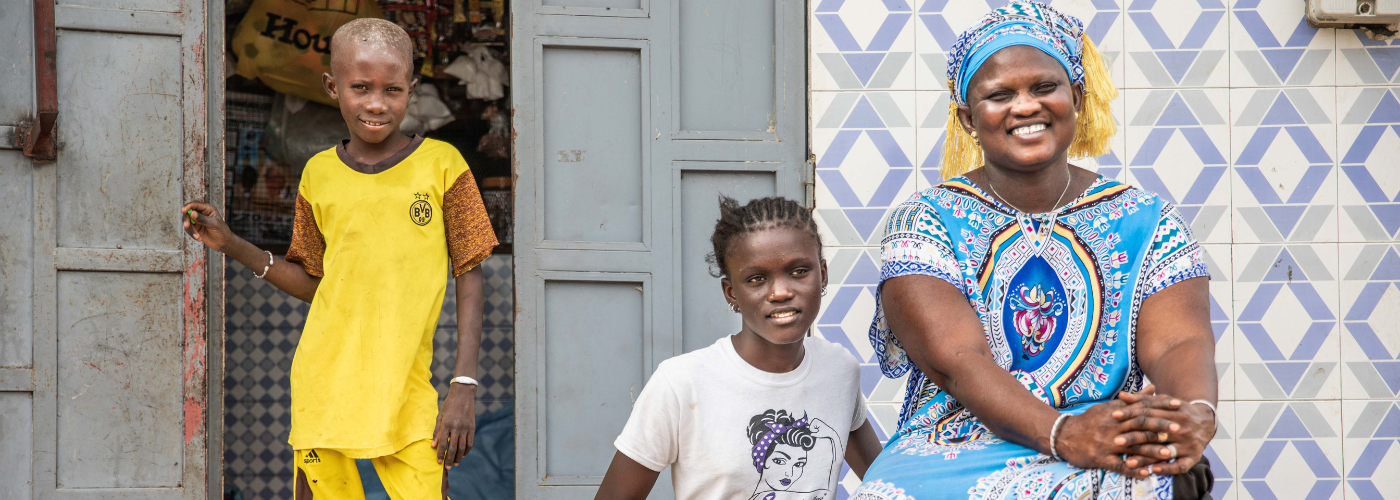
Yet one critical dimension must not be overlooked: women are not only beneficiaries of clean cooking. They are drivers of the transition. Too often, women are framed primarily as victims of energy poverty. Yes, they bear the greatest burden of cooking with polluting fuels and the severe health impacts that follow. But women are also entrepreneurs, financiers, community mobilisers, and market builders.
Evidence from last-mile markets consistently shows that women entrepreneurs frequently outsell their male counterparts, sometimes by as much as three to one. Why? Because they leverage trusted social networks, understand household decision-making, and invest in product demonstration and after-sales service. They move beyond distribution to sustained adoption and behavior change. In many contexts, free stoves remain unused. Adoption requires trust, and women-led networks build that trust.
The benefits of clean cooking solutions in food processing chains
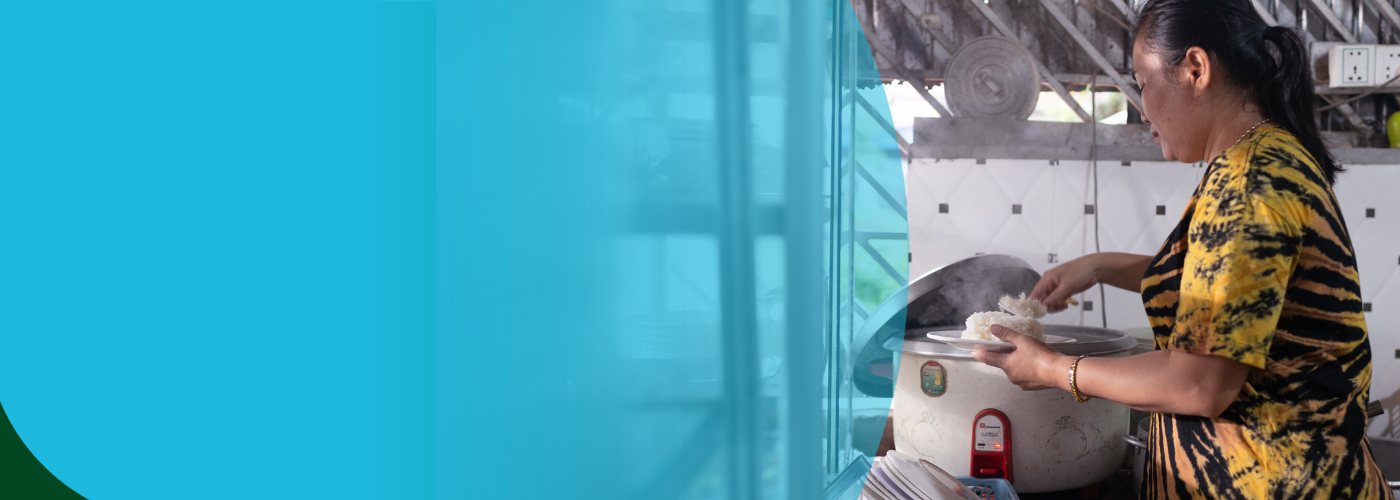
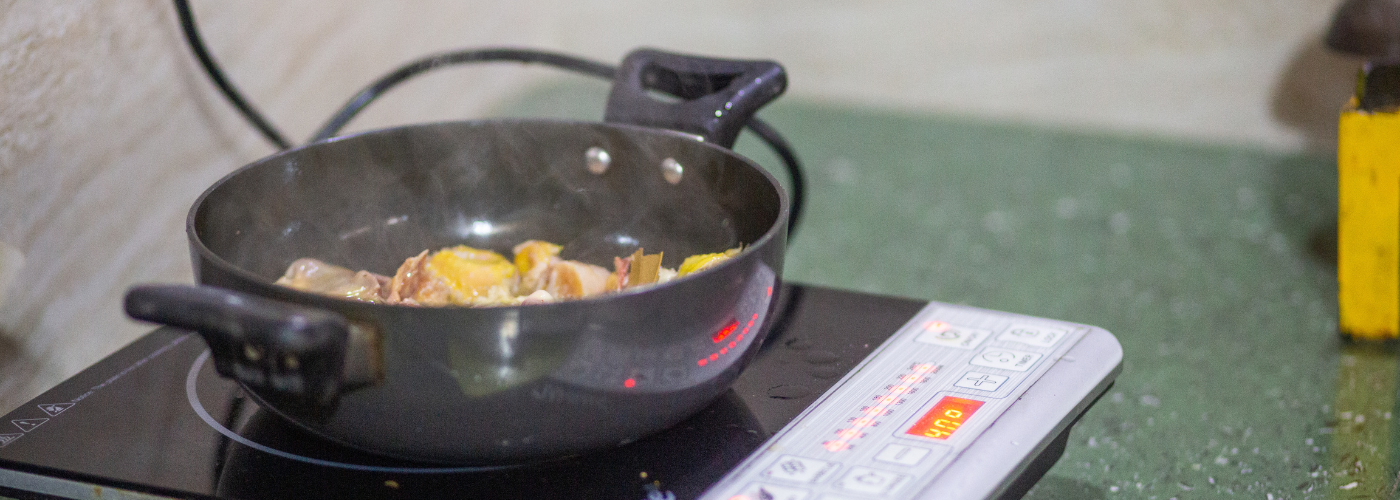
Clean cooking is also central to women’s productive uses of energy. ENERGIA’s research program on women and energy in food processing has documented the scale of women’s work in thermally intensive micro and small enterprises, drying, smoking, milling, catering, baking, and small restaurants. Across many contexts, women dominate these value chains. Without access to affordable, efficient, clean cooking and clean heat, their productivity is constrained, operating costs remain high, and health risks persist. Clean cooking solutions, whether LPG, electricity, or other context-appropriate technologies, can reduce fuel expenditures, increase profitability, improve working conditions, and enable business expansion. This is not only a household issue; it is an economic transformation issue.
Women’s lived experiences are essential to achieving scale and transformation
As the CCA transitions to the IEA, we strongly hope that its flagship programs, particularly mentoring for women in clean cooking and the Clean Cooking Women Leadership Award, will continue and be strengthened. These initiatives have been instrumental in recognizing, financing, and elevating women entrepreneurs across the value chain. Institutional transition should amplify, not dilute, this focus.
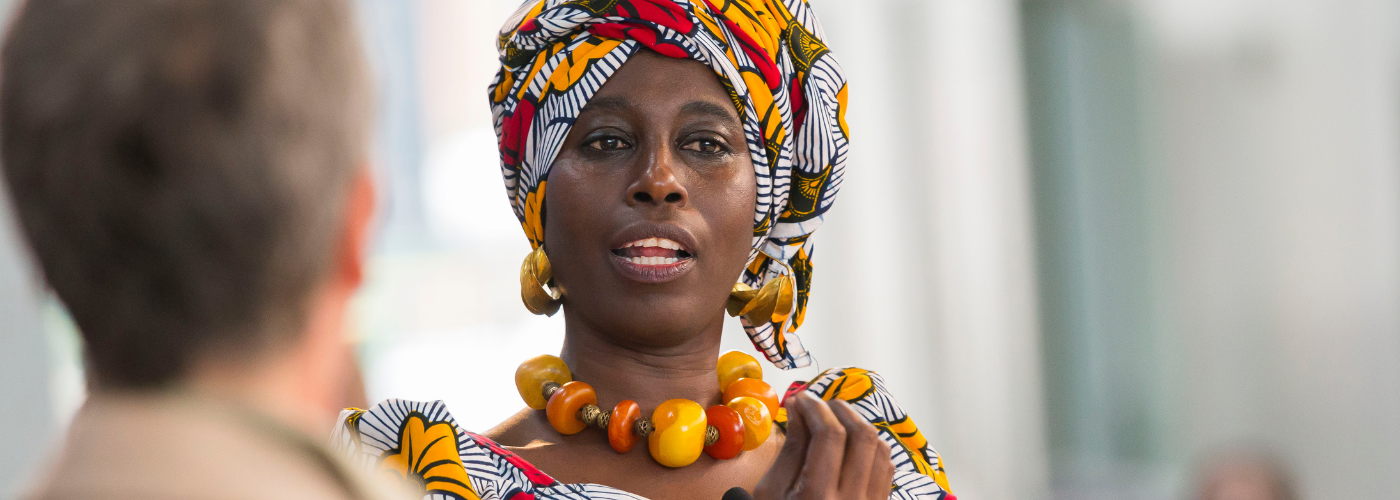
Looking ahead to the Nairobi Summit, we encourage the IEA and co-convenors to seize the opportunity to bring women entrepreneurs to the forefront of high-level panels. Women delivering clean cooking access in last-mile markets should not only be case studies; they should be speakers, decision-makers, and architects of the solutions. Their lived experience, market insight, and innovation are essential to achieving scale.
A shift in narrative is needed
The 2040 milestone is achievable. But it will require more than finance and policy reform. It requires a shift in narrative. Women are not simply end users of clean cooking. They are distributors, innovators, financiers, and accelerators across households and productive sectors alike.
If we align political commitment, enabling regulation, catalytic finance, and women’s leadership, clean cooking can become one of the most transformative and economically empowering energy transitions of our time.