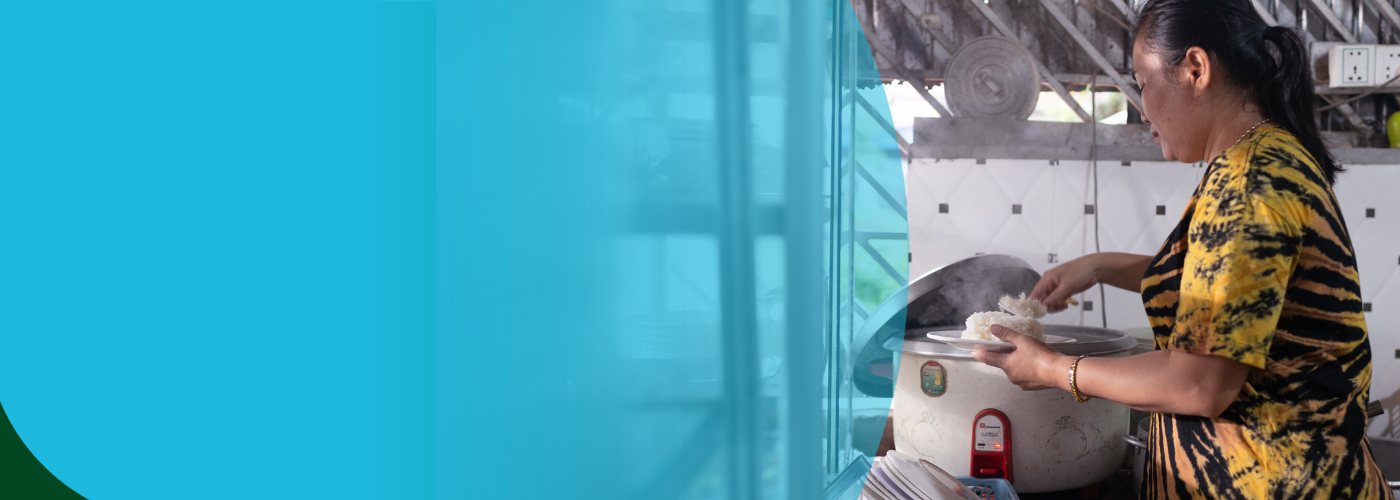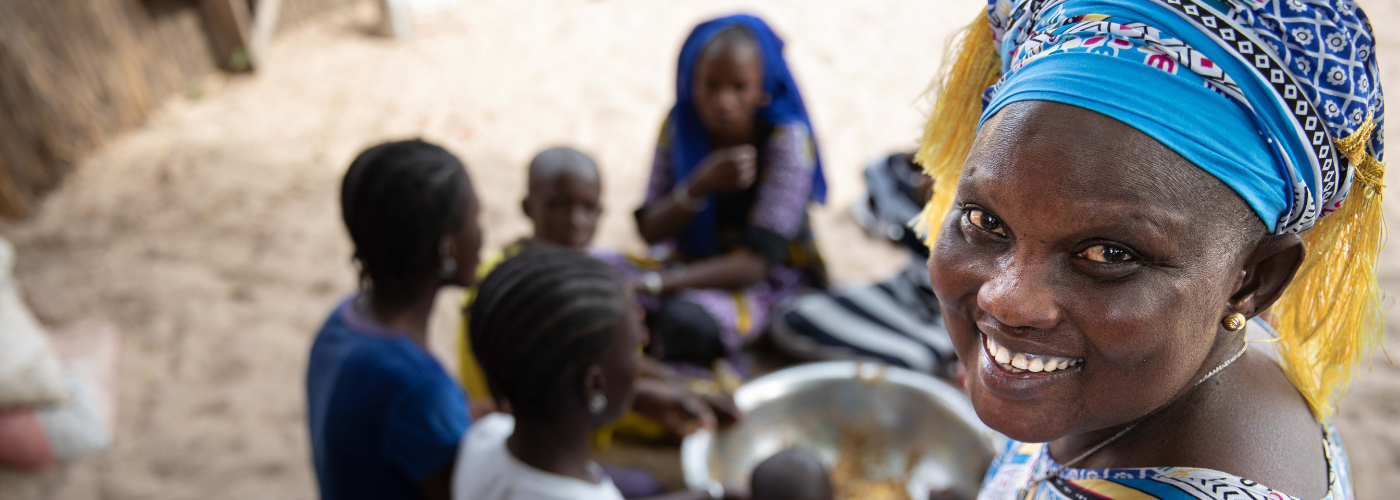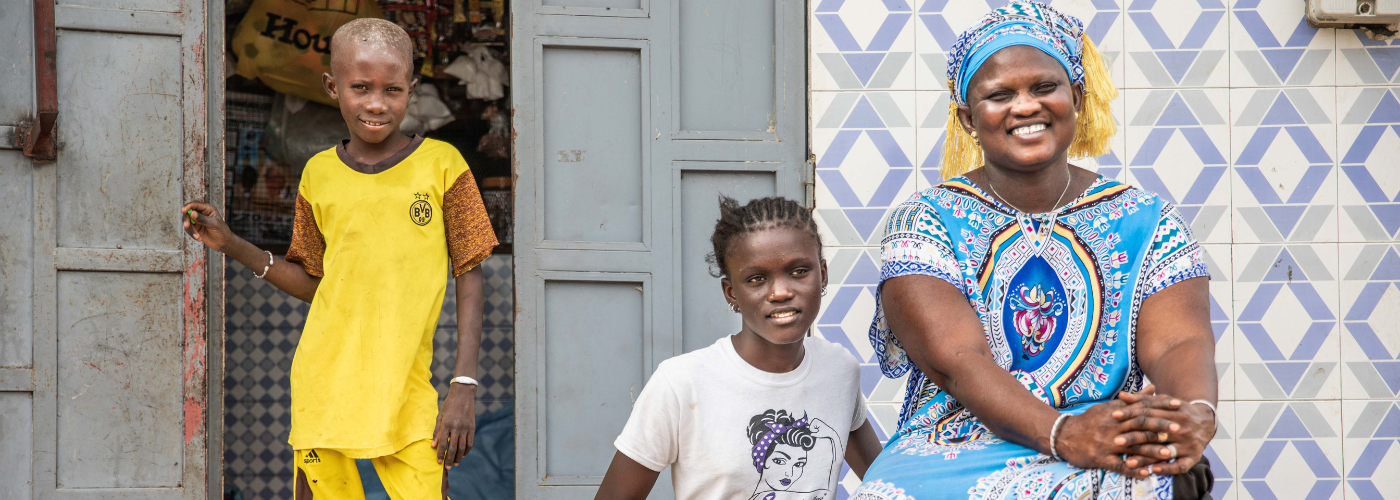
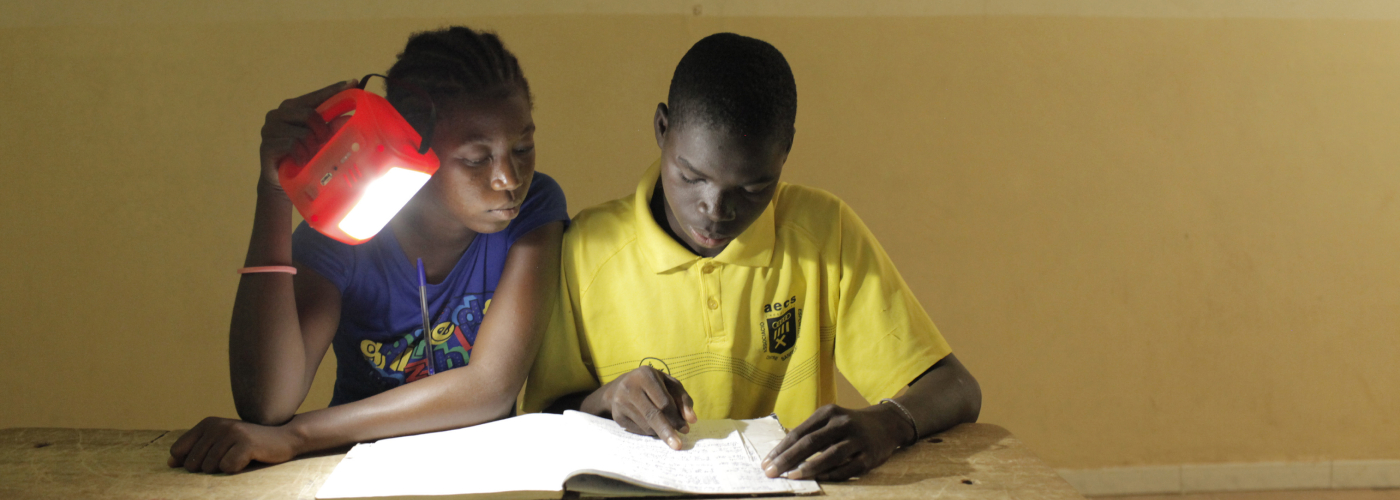
This policy brief highlights how gender inequality shapes access to modern energy and clean cooking solutions, with women often bearing the greatest burden of energy poverty. It explores the social, economic, and health impacts of limited energy access on women and girls, while demonstrating how clean energy can improve livelihoods, wellbeing, and empowerment. Drawing on research and evidence, the publication identifies barriers that prevent women from fully benefiting from energy services. The brief also emphasizes the importance of integrating gender considerations into energy policies and programmes. It concludes with practical recommendations to support more inclusive, equitable, and sustainable energy access for all.
Policy brief on gender dimensions of energy access and clean cooking