What does it really take for electricity to transform lives?
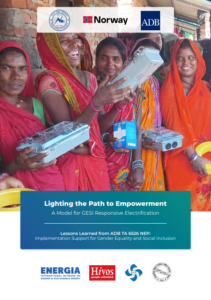
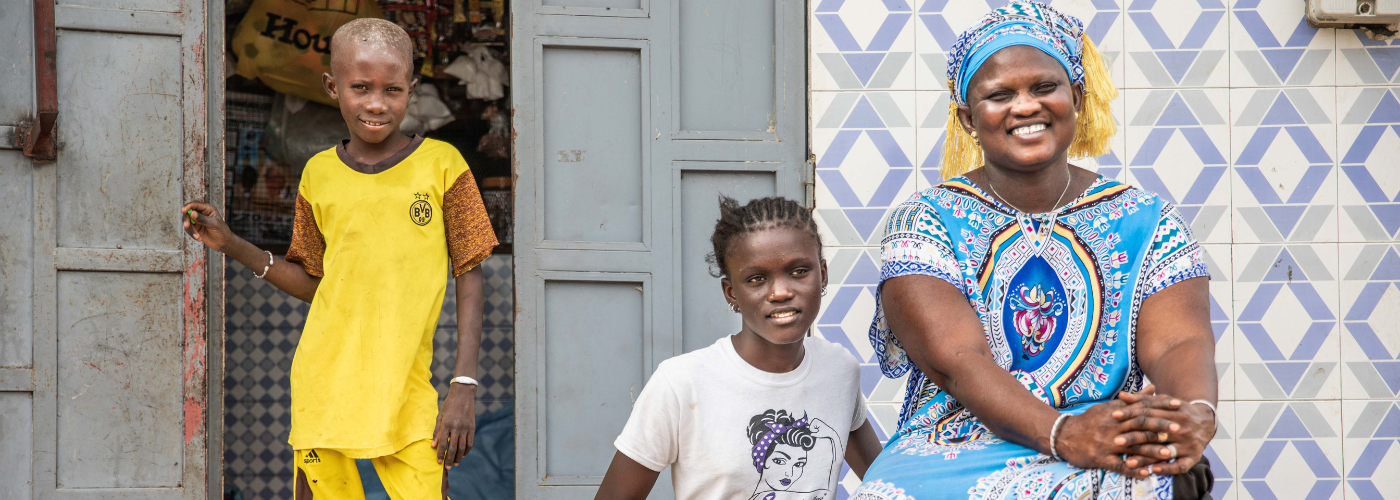
ENERGIA’s latest Lessons Learned publication from the ADB-supported TA-6526 NEP project in Nepal challenges the traditional view of electrification as a purely technical exercise. Instead, it shows that when energy access is designed with gender equality and social inclusion (GESI) at its core, it becomes a powerful driver of empowerment, livelihoods, and systemic change.
Moving Beyond Connections
For decades, success in electrification has often been measured by the number of households connected to the grid. But this project demonstrates that access alone is not enough.
True transformation happens when people—especially women and marginalized groups—are able to use electricity in ways that improve their lives and livelihoods. By linking energy access with productive opportunities, the project helped communities move from basic use to real economic participation.
Powering Women’s Economic Empowerment
A central pillar of the project was supporting women not just as energy users, but as entrepreneurs and decision-makers.
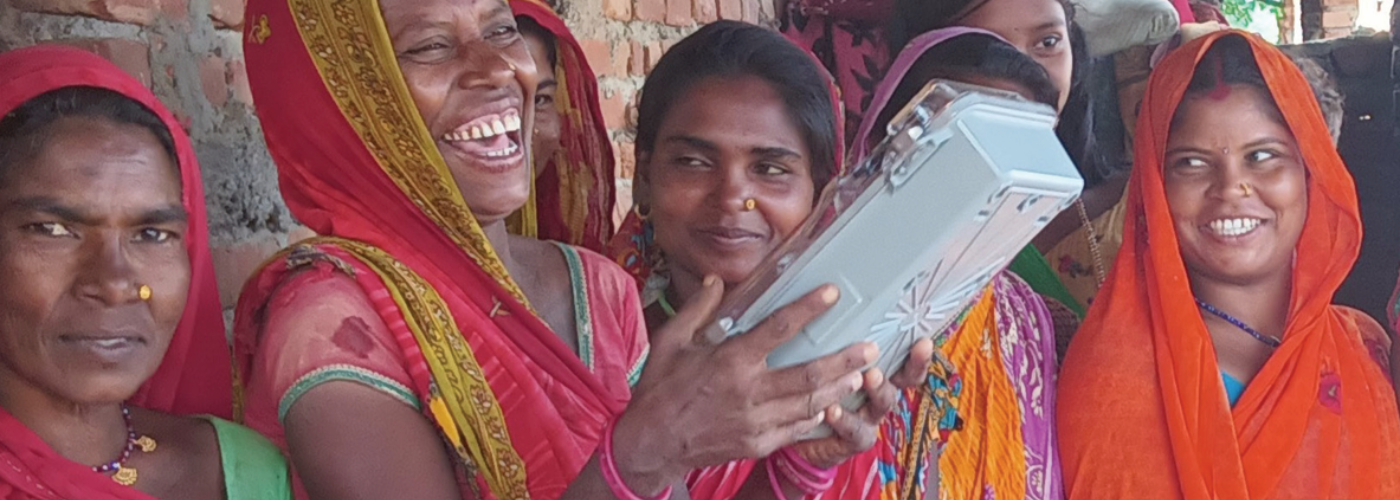
Through targeted interventions—including skills training, access to equipment, and business support—over 400 entrepreneurs, primarily women and disadvantaged groups, were able to start or strengthen income-generating activities.
This shift is critical. When women gain the tools and confidence to use energy productively, the benefits extend far beyond individual businesses—improving household welfare, strengthening local economies, and shifting social norms.
Reaching the Last Mile
The project also focused on ensuring that electrification efforts reach those who are most often left behind: remote and underserved communities.
By expanding grid access, improving infrastructure, and running awareness campaigns on safe and productive energy use, the initiative successfully connected last-mile households and enabled them to benefit from reliable electricity.
This highlights an important lesson: equity must be intentional. Without targeted efforts, the most vulnerable communities risk remaining excluded—even as overall access improves.
Embedding Inclusion for Lasting Change
Perhaps one of the most significant achievements of the project was its focus on institutional transformation.
By working closely with the Nepal Electricity Authority, the project helped integrate GESI principles into policies, planning processes, and daily operations. This ensures that inclusive approaches are not limited to a single project, but are embedded within the energy system itself.
Sustainable impact depends on this kind of systemic change—where inclusion becomes part of “how things are done.”
A Model for the Future
The lessons from Nepal point to a clear, replicable model for inclusive electrification, built on three key pillars:
- Promoting productive use of energy, especially for women and marginalized groups
- Expanding access to last-mile communities
- Institutionalizing GESI within energy sector organizations
Together, these pillars offer a roadmap for countries and practitioners aiming to achieve not just universal access, but equitable and transformative energy systems.
Powering People, Not Just Grids
As the global community works toward universal energy access, one message stands out from this work:
Electrification is not just about powering homes—it’s about powering people.
When designed with inclusion at its core, energy access can:
- Unlock economic opportunities
- Empower women
- Strengthen communities
- Drive long-term, sustainable development
The challenge now is to scale these lessons—and ensure that future energy investments leave no one behind.
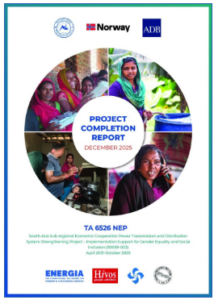
Read the full Lessons Learned report here. Download the full project report