
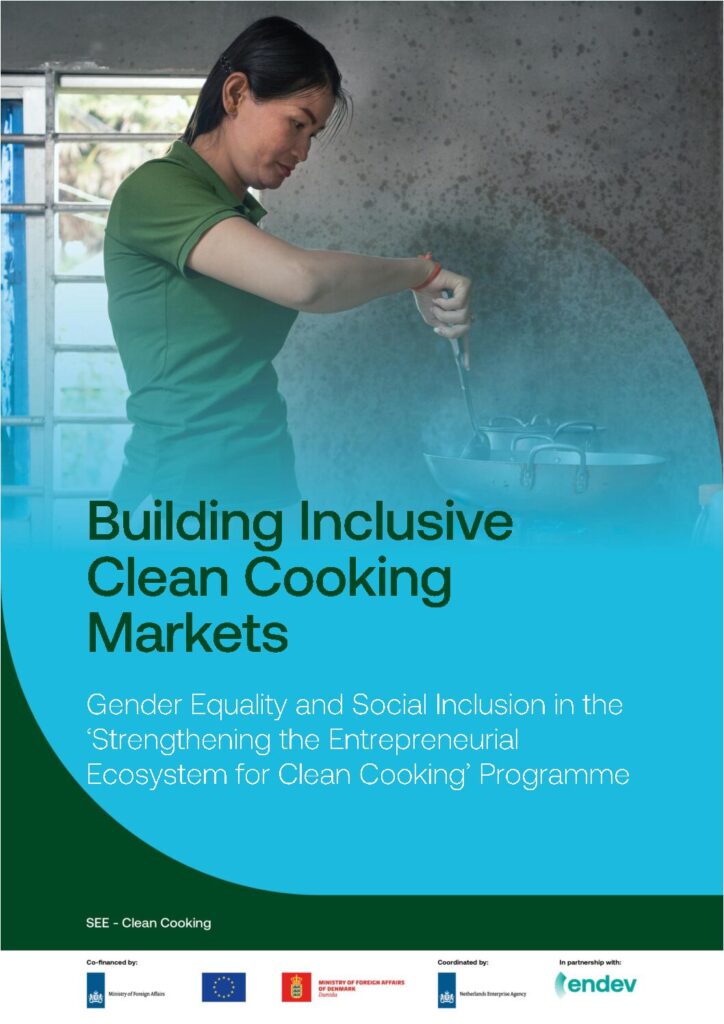
Building Inclusive Clean Cooking Markets: Gender Equality and Social Inclusion in the ‘Strengthening the Entrepreneurial Ecosystem for Clean Cooking’ Programme
How can clean cooking markets become more inclusive, resilient, and effective? Drawing on lessons from the Strengthening the Entrepreneurial Ecosystem for Clean Cooking (SEE Clean Cooking) programme across eight countries in Africa and Asia, this publication presents a practical framework for integrating gender equality and social inclusion (GESI) into market systems development. It demonstrates how…
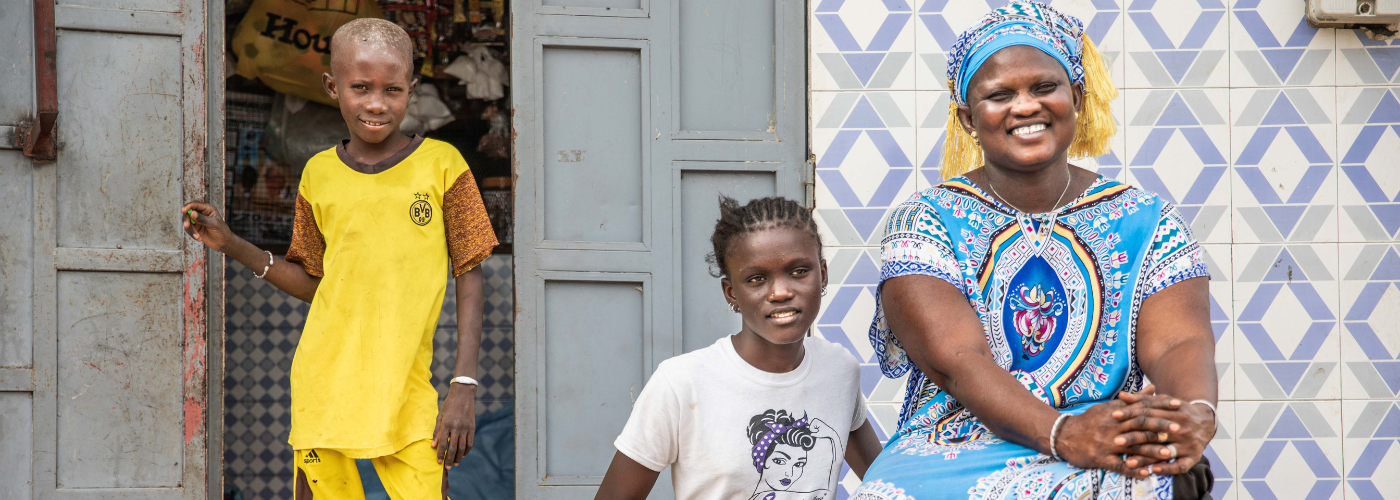
Genre et inclusion sociale au Sahel: Implications pour le développement du marché des biodigesteurs
Les femmes jouent un rôle central et multiforme sur le marché des biodigesteurs domestiques en Afrique subsaharienne. Elles sont les principales utilisatrices et décideuses, et de plus en plus entrepreneuses et leaders dans les chaînes de valeur des biodig esteurs et des engrais d’effluents . Leur participation au marché des biodigesteurs est essentielle à l’adoption…
Gender and Social Inclusion in the Sahel: Implications for Biodigester Market Development
Women play a pivotal, multifaceted role in the market for household biodigesters in Sub-Saharan Africa, acting as primary users and decision-makers, and increasingly as entrepreneurs and leaders in the biodigester and bioslurry fertiliser value chains. Their participation in the biodigester market is critical for the adoption and sustained use of the technology, and to long-term…
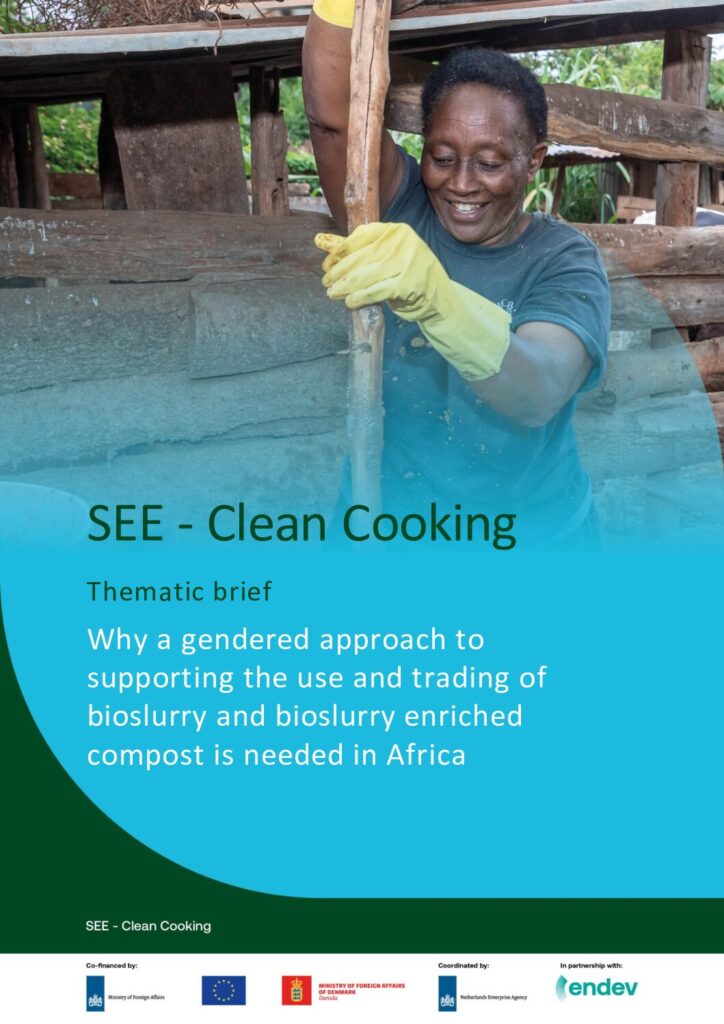
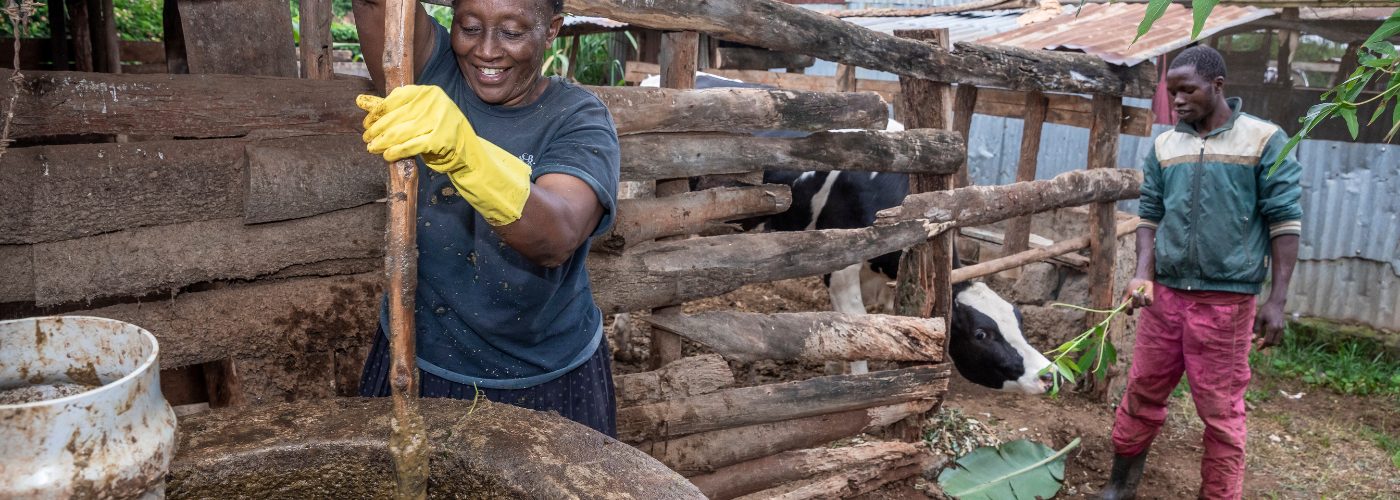
Why a gendered approach to supporting the use and trading of bioslurry and bioslurry enriched compost is needed in Africa
In Sub-Saharan Africa, women play a central role in managing household food, energy and water, often cultivating smaller and more degraded plots with limited access to inputs such as fertilizer, finance and markets. Rising fertilizer prices and declining soil quality further constrain their productivity and incomes. Locally produced organic fertilizers like bioslurry and bioslurry-enriched compost…
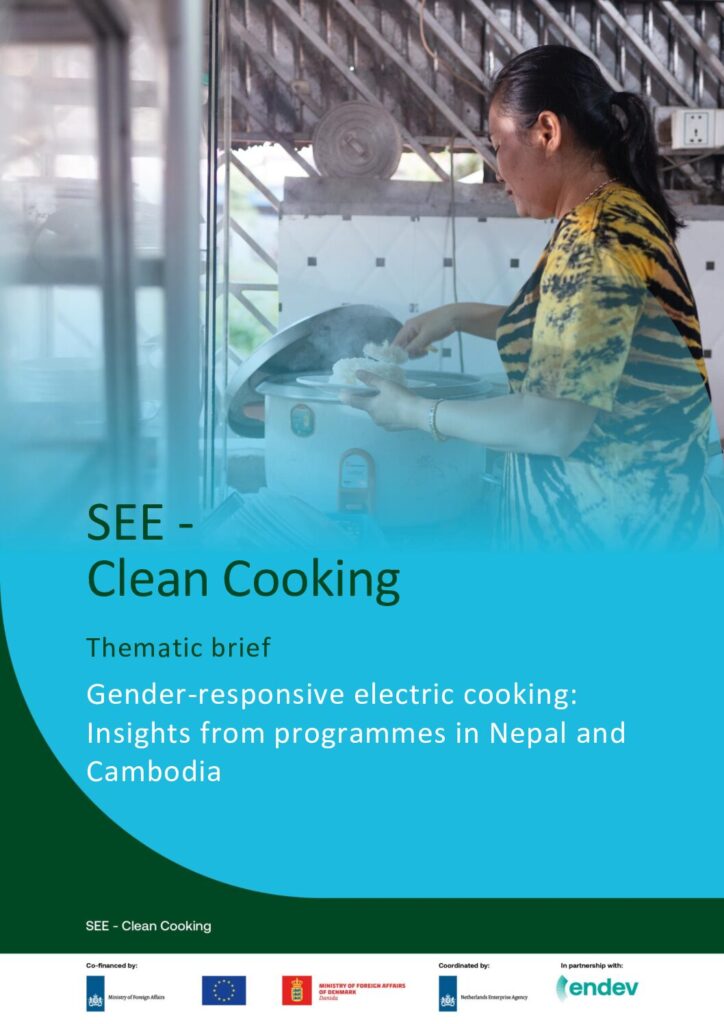
Gender-responsive electric cooking: Insights from programmes in Nepal and Cambodia
In the last decade or so, interest in electric cooking (e-cooking) has increased in many countries in the global South. As more households aspire to a modern lifestyle, the retail market for electric cooking devices is growing, especially in urban areas, even though the potential is far from being realized. These include appliances such as…
Gender Equality and Social Inclusion: Lessons and Good Practices from Clean Cooking Programs
Higher-tier clean cooking (HTC) markets are growing globally and have the potential to address the various harmful impacts of inefficient and polluting cookstoves that are a major cause of deaths among women and children.